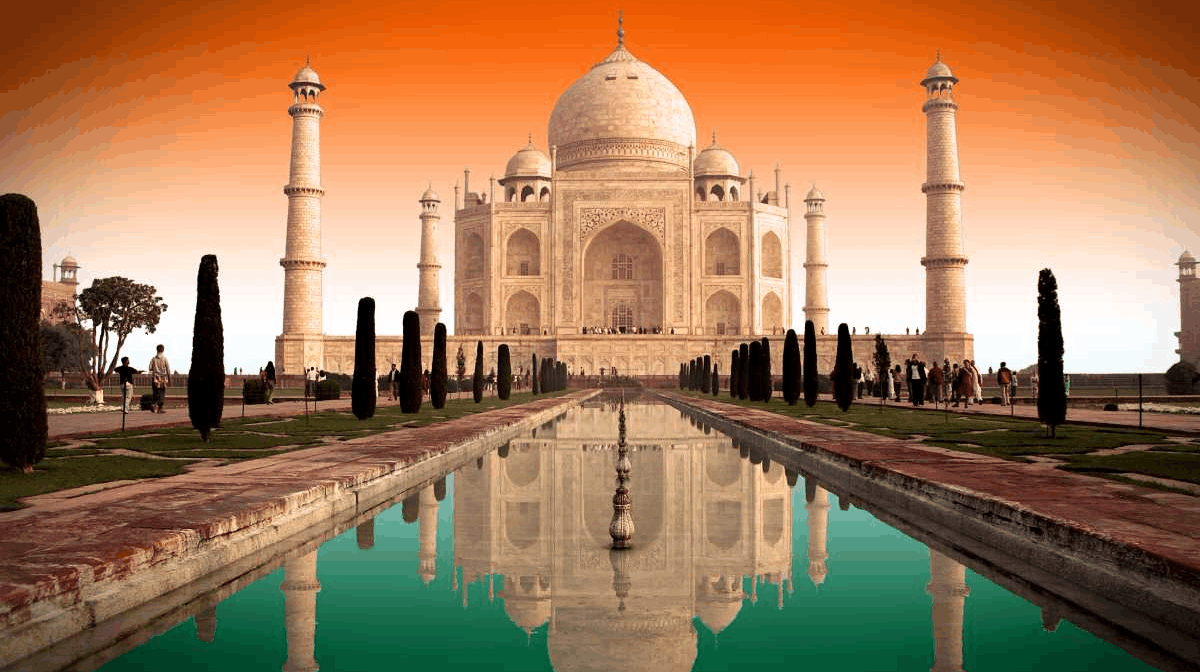
There are 1,052 - 814 cultural, 203 natural and 35 mixed - Heritage Sites in the world, of which 35 are in India.

World Heritage Day is celebrated every on April 18 to encourage the identification, protection, and preservation of cultural and natural heritage around the world considered to be of outstanding value to humanity.
International Council for Monuments and Sites (ICOMOS) first mooted the idea of celebrating April 18 as the World Heritage Day in the year 1982 and was approved by General Conference of United Nations Educational, Scientific and Cultural Organization (UNESCO) in 1983.

Rani-ki-Vav, on the banks of the Saraswati River in Patan, Gujarat
What Is A World Heritage Site?
World Heritage Sites are cultural or natural sites with ‘outstanding universal value’. UNESCO has set some guidelines, which are regularly revised, to allow a site the status of ‘World Heritage Site’.
There are three categories viz- Cultural, Natural, and Mixed site.

The Darjeeling Himalayan Railway is still fully operational
How Many World Heritage Sites Are In India?
There are 1,052 - 814 cultural, 203 natural and 35 mixed - Heritage Sites in the world, of which 35 are in India. 55 of the total World Heritage Sites have been marked as endangered by the UNESCO.
Out of these 35 World Heritage Sites, seven are natural heritage sites and only one is the mixed site.

Tourists visit Jantar Mantar in Jaipur, capital of India's desert state of Rajasthan
List Of World Heritage Sites In India
Agra Fort, Ajanta Caves, Ellora Caves, Taj Mahal, Group of Monuments at Mahabalipuram, Sun Temple, Konarak, Kaziranga National Park, Keoladeo National Park, Manas Wildlife Sanctuary, Churches and Convents of Goa, Fatehpur Sikri, Group of Monuments at Hampi, Khajuraho Group of Monuments, Elephanta Caves, Great Living Chola Temples 12, Group of Monuments at Pattadakal, Sundarbans National Park, Nanda Devi and Valley of Flowers National Parks, Buddhist Monuments at Sanchi, Humayun's Tomb (Delhi), Qutb Minar and its Monuments (Delhi), Mountain Railways of India, Mahabodhi Temple Complex at Bodh Gaya, Rock Shelters of Bhimbetka, Champaner-Pavagadh Archaeological Park, Chhatrapati Shivaji Terminus (formerly Victoria Terminus), Red Fort Complex, The Jantar Mantar (Jaipur), Western Ghats, Hill Forts of Rajasthan, Great Himalayan National Park Conservation Area, Rani-ki-Vav (the Queen’s Stepwell) at Patan (Gujarat), Archaeological Site of Nalanda Mahavihara (Nalanda University) at Nalanda (Bihar), Khangchendzonga National Park, the Architectural Work of Le Corbusier, an Outstanding Contribution to the Modern Movement
April 18 is World Heritage Day. Here’s looking at the romance between Bollywood films and Delhi’s heritage sites listed by UNESCO — Qutub Minar, Humayun’s Tomb and Red Fort.

The song Shukran Allah from the 2009 film Kurbaan (2009) — starring actor-couple Saif Ali Khan and Kareena Kapoor Khan — was shot at Humayun’s Tomb in Delhi.
Think of Saif Ali Khan wooing Kareena Kapoor Khan in Kurbaan (2009) at Humayun’s Tomb or Aamir Khan dancing to Chand Sifarish in Fanaa (2006) at Qutub Minar, and one can’t deny that Delhi’s timeless heritage sites have made for picturesque backdrops in Bollywood films for ages.
This World Heritage Day (April 18), here’s taking you for a heritage walk in Delhi, Bollywood style.
Humayun’s Tomb

ABOUT THE MONUMENT: Located in Nizamuddin East, this regal Mughal architecture has been the background of many romantic numbers. Built in 1565 AD, nine years after Humayun’s death, by his widow, Bega Begam, the monument has garden squares (chaharbagh) with pathways water channels, a mausoleum exceeded by a double dome. In 1857 AD, Lieutenant Hudson captured the last Mughal emperor Bahadur Shah II from here. Source: Delhi Tourism, UNESCO. (Sonu Mehta/HT Photo)
Shukran Allah (from Kurbaan) wasn’t the only song shot at Humayun’s Tomb, the Mere Brother Ki Dulhan (2011) track, Choomantar, was another one to be filmed at the UNESCO heritage site. Baar Baar Dekho (2016) director Nitya Mehra also shot a short film, titled The Cherry On Top, near Humanyun’s Tomb.
About these monuments that represent Delhi, Mehra says: “They are rich, beautiful and entrenched in history. A scene against any of them establishes the characters to be set in Delhi. As filmmakers, we constantly try to make our stories believable. It’s like when one shoots in Paris, inevitably a shot of the Eiffel Tower emerges. In a world that’s evolving as fast as this, it’s amazing to have monuments that stand the test of time. Cinematically, no set or construction can ever match up to the scale, beauty and grandiose of any of these.”
Qutub Minar

ABOUT THE MONUMENT: Built in 1193 AD by Qutab-ud-din Aibak, a 72.5 metre high tower of victory in red and buff standstone, Qutub Minar is an architectural delight. It houses India’s first mosque, Quwwat-ul-Islam Mosque and a seven metre high iron pillar. The construction that was started by the first Muslim-ruler of Delhi in 1200 AD was completed by Firoz Shah Tughlak, who built the fifth and the last storey. Source: Delhi Tourism, UNESCO.
Playing the character of a tourist guide Aamir Khan dances about in the Qutub Minar complex in the song Chaand Sifarish. Kunal Kohli, the director of the film, Fanaa, who shot the film at several locations in Delhi, says: “We need to showcase our rich heritage and culture, as our cinema reaches all over the world. When things are in our backyard, we tend to overlook them.” Kohli adds that regular cultural programmes and events should be held at these world heritage sites. “We only change the lighting on January 26 and August 15. That shouldn’t be the case. Maybe, plays based on the history of the heritage site should be staged to create awareness.”
Red Fort

Prime Minister Narendra Modi speaks at an Independence Day celebrations at Red Fort in New Delhi, India. ABOUT THE MONUMENT: This site, which becomes a riot of colours on the Independence Day, was built as the palace fort of Shahjahanabad, the capital of the fifth Mughal Emperor, Shah Jahan. The walls of red sandstone, adjacent to the Salimgarh fort, built by Islam Shah Suri in 1546, forms the Red Fort Complex. While the planning of the palace is based on Islamic prototypes, each architectural element reflects a fusion of Persian, Timurid and Hindu traditions. Source: Delhi Tourism, UNESCO. (Vipin Kumar/HT Photo)
Some parts of the hit blockbuster Bajrangi Bhaijaan (2015) — starring actors Salman Khan and Kareena Kapoor Khan — was shot in front of the Red Fort. Starring Abhay Deol and Soha Ali Khan, the film Ahista Ahista, also has glimpses of the Red Fort.

A still from Bajrangi Bhaijaan. One can see Red Fort in the background.
On April 18, 1982, International Council on Monuments and Sites organised a conference and came up with a suggestion to celebrate the day as ‘International Day for Monuments and Sites’. The suggestion was accepted by UNESCO in 1983. Since then the day is celebrated as ‘World Heritage Day’ with an aim to raise awareness about cultural heritage and the need to protect and conserve such sites.
India is home to 35 World Heritage Sites approved by UNESCO which brings cultural and natural glory to the country. Today on the occasion of World Heritage Day here are 10 heritage sites in India that are a must-visit.

Rock Shelters at Bhimbetka, Madhya Pradesh
Located 45 km South of Bhopal at the Southern edge of the Vindhya hills, the area is covered with thick vegetation, natural shelters and rich flora and fauna. The shelters were discovered in 1957 and were added to heritage list in 2003. The name ‘Bhimbetka’ has been associated with ‘Bhima’, the hero-diety of Mahabharata and the name literally means ‘sitting place of Bhima’. The place is a magnificent repository of rock paintings within natural rock shelters. These paintings depicts man’s experimentation with creativity and belongs to different prehistoric periods, including Late Paleolithic Period i.e. Old Stone Age that consists of large represntations of rhinoceroses and bears. Paintings from Mesolithic i.e. Middle Stone Age consists of animals and human activities, Chalcolithic i.e. early Bronze Age consists of agriculture, early historic and medieval consists of religious motifs and tree gods.

Rani ki Vav, Gujarat
Located on the banks of Saraswati river, Rani ki Vav (Queen’s step well) was built in 11th century AD in memory of King Bhimdev I. Stepwells are a distinctive form of water storage systems that have been in existence since the 3rd millennium BC. Rani ki Vav is designed into seven levels of stairs with more than 500 principle sculptures and over thousand mythological and religious works. The site has also been felicitated with the ‘Cleanest Iconic Place’ title by the Indian Sanitation Conference (INDOSAN) in October 2016.

Champaner-Pavagadh Archaeological Park, Gujarat
Champaner-Pavagadh Archaeological Park is located around the Pavagadh hill and is known for its archaeological, historic and living cultural heritage properties. The history of this site dates back from the 8th to 14th centuries. The park is studded with eleven different types of buildings including temples, mosques, tombs, wells, walls and more.

Group of Monuments at Pattadakal, Karnataka
The heritage site is named as ‘Group of Monuments at Pattadakal’ by UNESCO as it houses nine Hindu temples and a Jain sanctuary that potrays an amalgamation of architectural features of Northern (Nagara) and Southern (Dravida) India. Eight among the nine temples are dedicated to Lord Shiva and the ninth is Papanatha Temple, a shaivite sanctuary. Apart from the major temples, several small Shiva shrines are seen here.

Khajuraho Group of Monuments, Madhya Pradesh
Khajuraho Group of Monuments are popular for its artistic magnificence rather than religious aspects. The site comprises of 22 temples. It is said that initially there were about 82 temples built. The temples belong to the Hindu and Jain community and have an amazing fusion of sculpture and architecture. Every evening the Khajuraho temple complex organises a light and sound show in the open lawns in English and Hindi. Besides, The Khajuraho Dance Festival is held every year in February that features classical Indian dances.

Mountain Railways of India
The Mountain Railways of India represents a collective listings of Darjeeling Himalayan Railway (West Bengal), the Nilgiri Mountain Railway (Tamil Nadu) and the Kalka-Shimla Railway (Himachal Pradesh) and were recognised to the UNESCO’s heritage list in 1999, 2005 and 2008, respectively.

Khangchendzonga National Park, Sikkim
Khangchendzonga National Park (former Kanchenjunga National Park) also known as Kanchenjunga Biosphere Reserve is the first ‘Mixed Heritage’ site of India. Located in the Himalayan range, the park is home to plains, glaciers, lakes and valleys. Animals like snow leopard, red panda and musk deer are spotted here regularly. Besides, the park is home to several rare and threatened plants and animals.

Archaeological Site of Nalanda Mahavihara, Bihar
The ancient Nalanda University or a large Buddhist monastery located in the Souteast of Patna was a centre for learning in the seventh century. The site comprises of stupas, shrines, viharas and several art works in metal and stone. The site stands out as the most ancient university in the Indian subcontinent. It is also said that the site was an organised mediation of knowledge over 800 years. The historical development of the site proves the development of Buddhism into a religion and its educational traditions.

Nanda Devi and Valley of Flowers National Parks, Uttarakhand
The heritage sites comprises of two core areas -Nanda Devi National Park and the Valley of Flowers National Park -about 20 km apart. The Valley of Flowers is popular for its natural beauty and endemic alpine flowers. While the Nanda Devi National Park is known for its wilderness and spectacular topographical features including glaciers and moraines. Both the parks are blessed with high diversity of flora and fauna, with a notable number of globally threatened species including Himalayan musk deer and various plant species.

Mughal Gardens, Jammu & Kashmir
The Mughal Gardens in Jammu & Kashmir comprises of six gardens -Chashma Shahi, Shalimar Bagh, Pari Mahal, Verinag Garden, Achabal Gardens and Nishat Bagh. Apart from possessing exceptional beauty these gardens are irreplaceable physical evidence to the understanding of history and evolution of Mughal Gardens in India. These gardens also demonstrate brilliant engineering skills of the Mughal architecture.
April 18 is celebrated as World Heritage Day all across the globe. India is blessed to be home to some magnificent UNESCO World Heritage sites spread across the country. The Indian state of Madhya Pradesh is one of the best places in India for history buffs. Madhya Pradesh is often termed the heart of incredible India. The reason behind this sobriquet is not just its geographical location which puts it in the center of the country. It is also because Madhya Pradesh is home to some of the most historic Indian sites and an intriguing and ethnic culture that holds true to the nation’s identity. The remnants of the past found in Madhya Pradesh take you back to a time when life was much simpler yet scintillating. Be it the architectural brilliance of its monuments or the natural beauty of its forests and waterfalls, Madhya Pradesh has enough to keep you enchanted for days together. On the occasion of World Heritage Day 2017, here are the UNESCO World Heritage Sites in Madhya Pradesh that you must visit at least once in your lifetime.
Stupas at Sanchi

Built by emperor Asoka in the 3rd century BC, the stupas at Sanchi attract history buffs all year round and from all across the world. The Great Stupa is believed to be one of India’s oldest stone structures. The three stupas together make a prominent historical tourist spot. The carvings on the facade are amazing insights into the art and culture of the bygone era.
Bhimebtka rock shelters

One of Asia’s most prominent historical sites, Bhimbetka is famous for its age-old rock shelters and marvelous cave paintings. The caves are believed to be more than 10,000 years old. These caves that eventually evolved into rock shelters might have housed one of the world’s oldest human settlements. The sculpted rock formations together with the lush, densely wooded vegetation make Bhimbetka an alluring tourist spot especially for history and archaeology buffs.
Khajuraho group of monuments

And then there is the popular Khajuraho group of monuments made famous by the erotic sculptures on the their walls. Also referred to as the Kamasutra temples, the monuments at Khajuraho draw tourists from all over India as well as foreign countries. Famous temples in the complex like the Lakshmana Temple, the Vishwanath Temple and the Kandariya Mahadev Temple are worth exploring for their marvelous architecture and beautiful scutlptures.

April 18 is celebrated as World Heritage Day every year
NEW DELHI: April 18 is observed as the International Day for Monuments and Sites or World Heritage Day the world over to celebrate cultural heritage and encourage people to conserve our rich past. There are over 1000 World Heritage Sites recognised by UNESCO, some man-made and some natural. According to UNESCO, these sites need to be protected as they hold cultural and physical importance.India is home to 35 World Heritage Sites and state governments are organising heritage walks, lectures and other activities to engage with local communities as a part of their conservation effort.
#WorldHeritageDay has been the top trend on Twitter and Indians shared stunning images of some of our monuments and sites.
See some spectacular images here
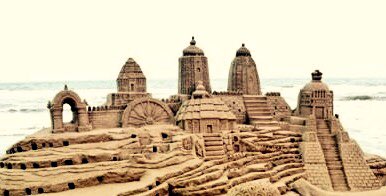
Our heritage, Our Pride. Posting this SandArt of mine for #WorldHeritageDay. Let's keep our monuments clean.

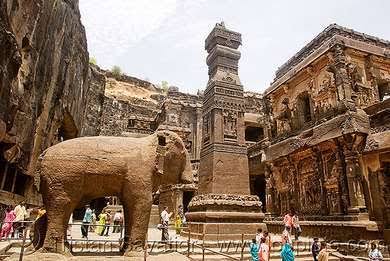
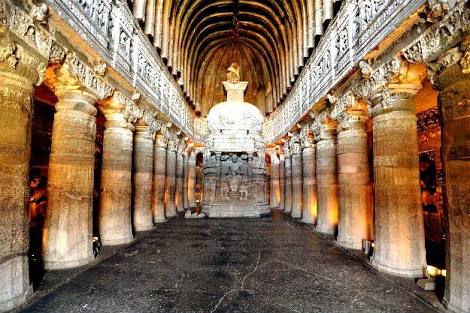
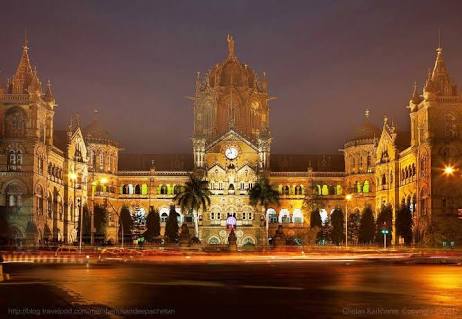
18th April is the #WorldHeritageDay.This year's theme is "Cultural heritage & Sustainable tourism"Come &#VisitMaharashtra's heritage sites

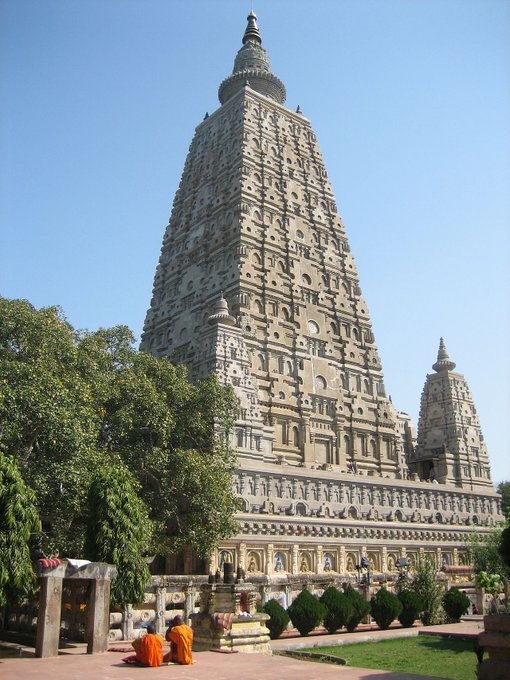
Mahabodhi Vihar "Great Awakening Temple", is Buddhist temple in Bodh Gaya, where the Buddha attained enlightenment.#WorldHeritageDay

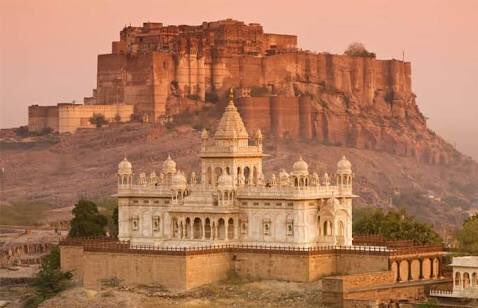
Rajasthan beholds beautiful forts and monuments and each has a distinct story to tell! Let's pledge to not destroy them.#WorldHeritageDay

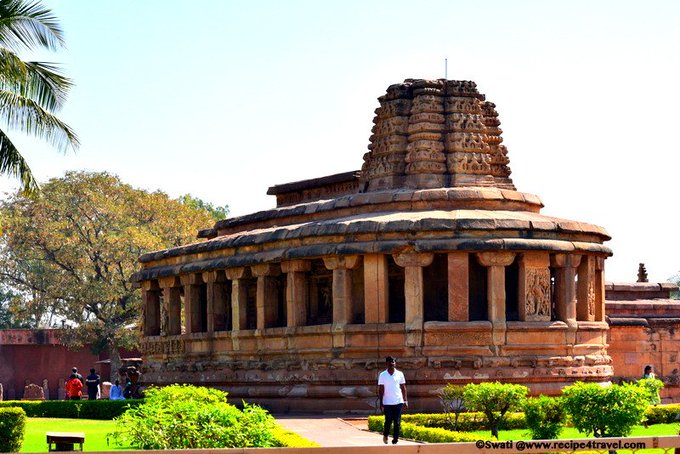
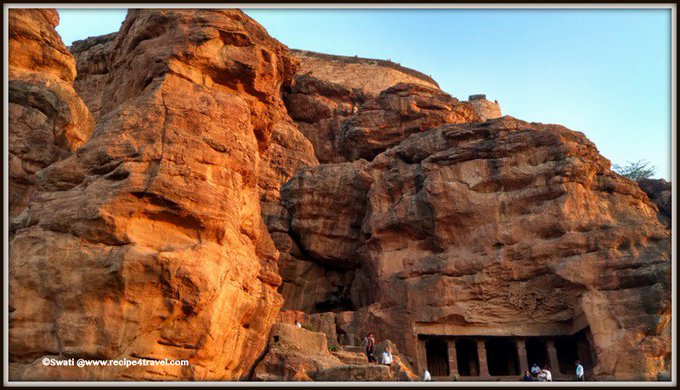
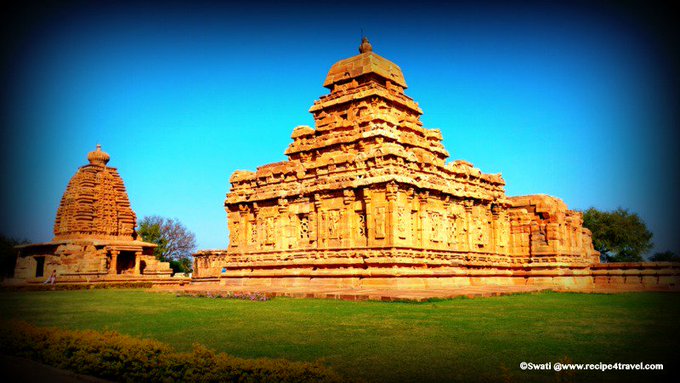
My latest visits to UNESCO and soon-to-be UNESCO sites. Rooting for Aihole and Badami on #WorldHeritageDay

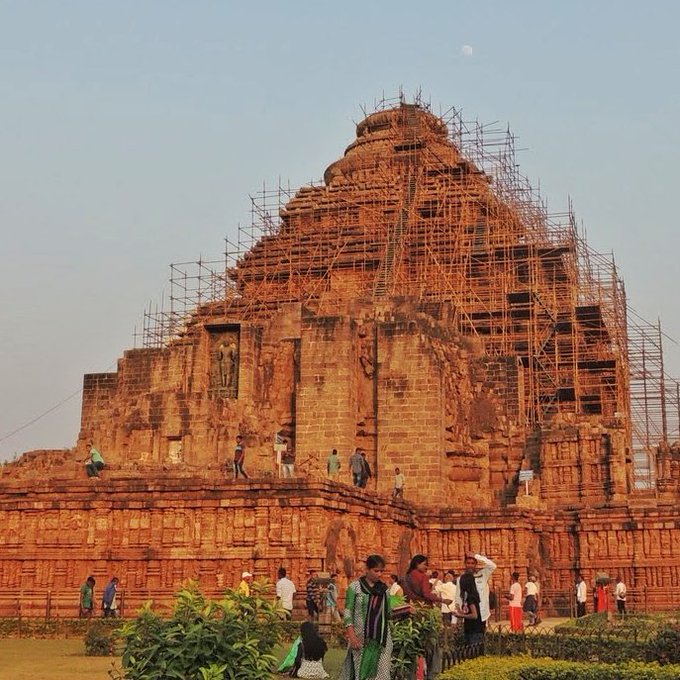
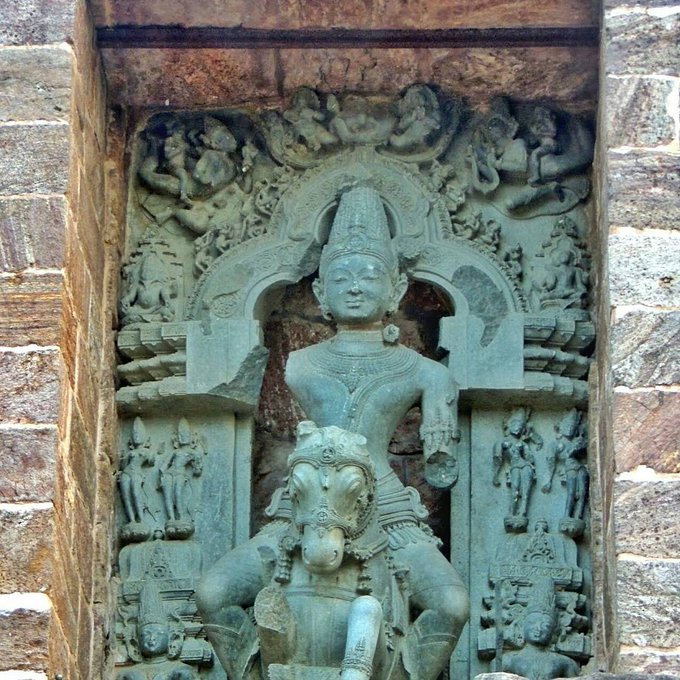
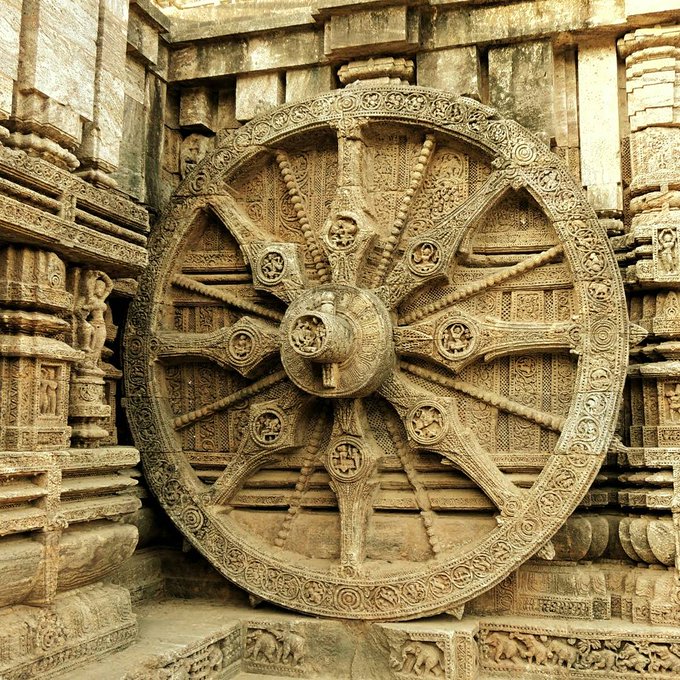
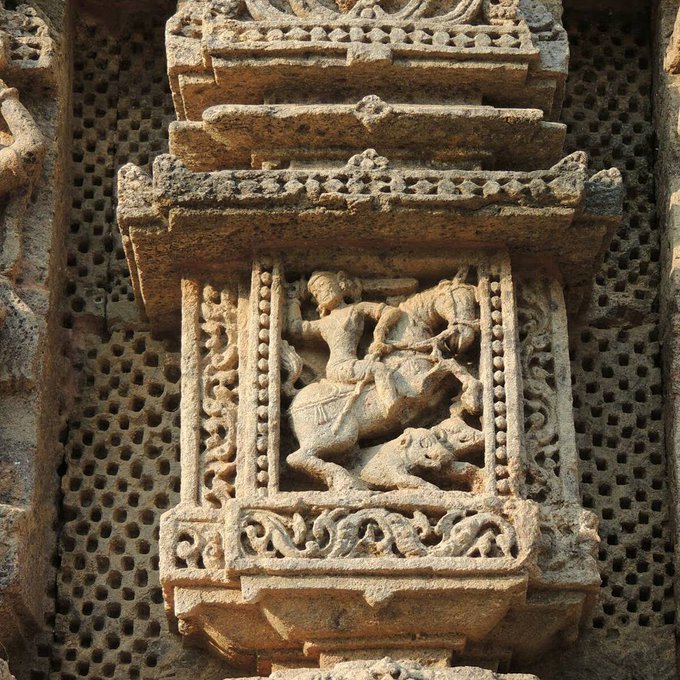
For #WorldHeritageDay sharing pics of the #WorldHeritagesite I visited this year. The Konark Sun Temple. @GoUNESCOinstagram.com/p/BTAofQMFRob/


The Great Stupa Built in 3rd Century B.C by Emperor Ashoka In Sanchi , Madhya Pradesh #WorldHeritageDay

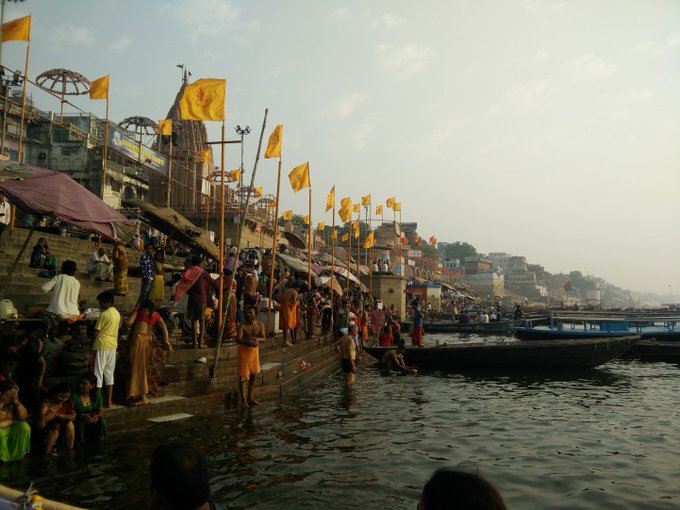
#Banaras is older thn history older thn tradition older even thn legends & looks twice as old as all of them put together. #WorldHeritageDay

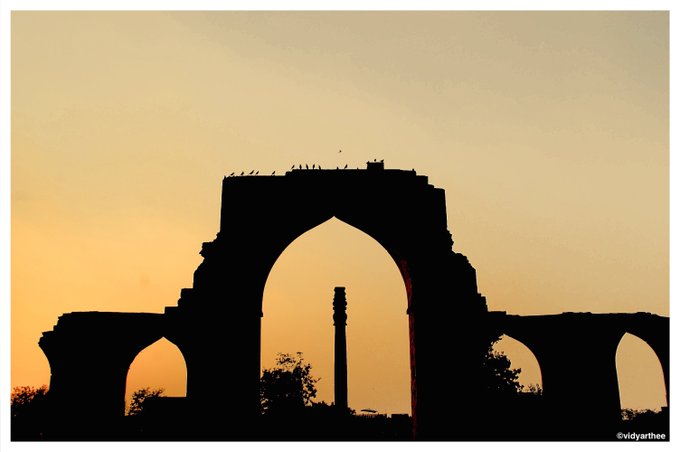
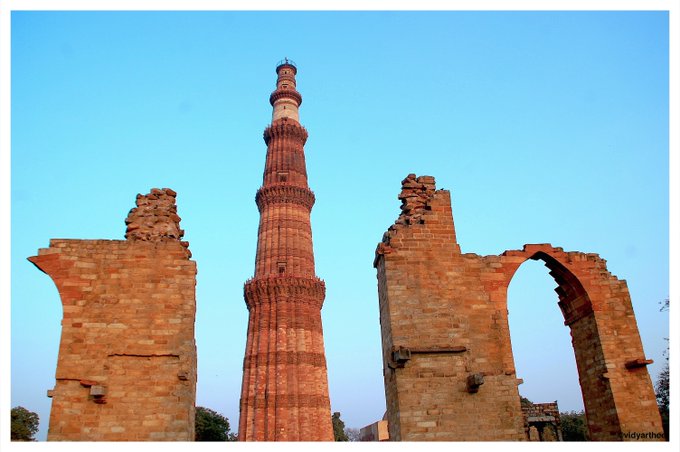
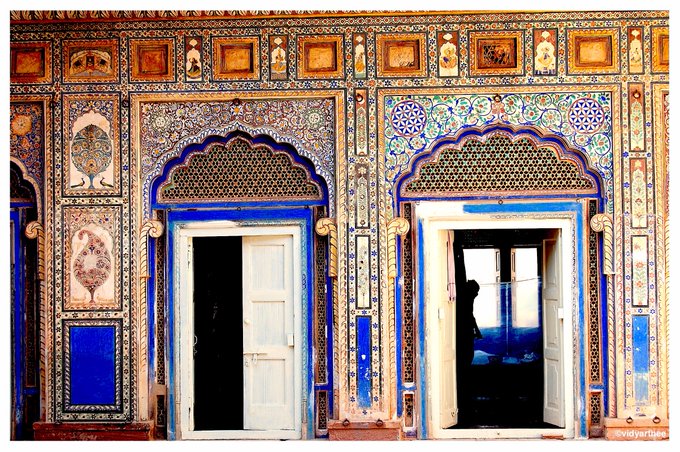
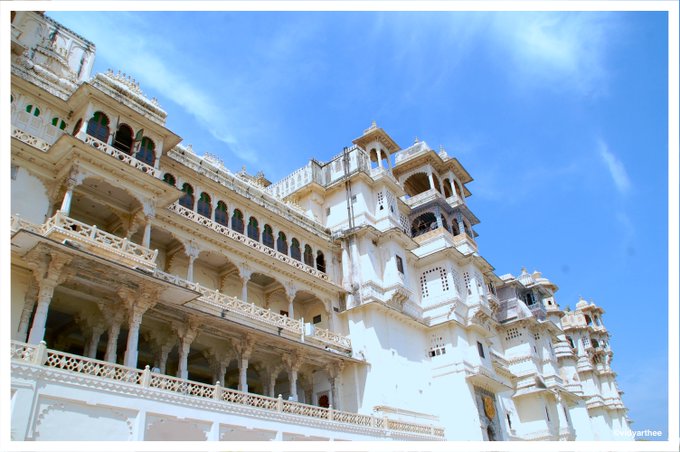
Saluting all who have worked tirelessly to restore various heritage sites in India to its former glory on occasion of this #WorldHeritageDay

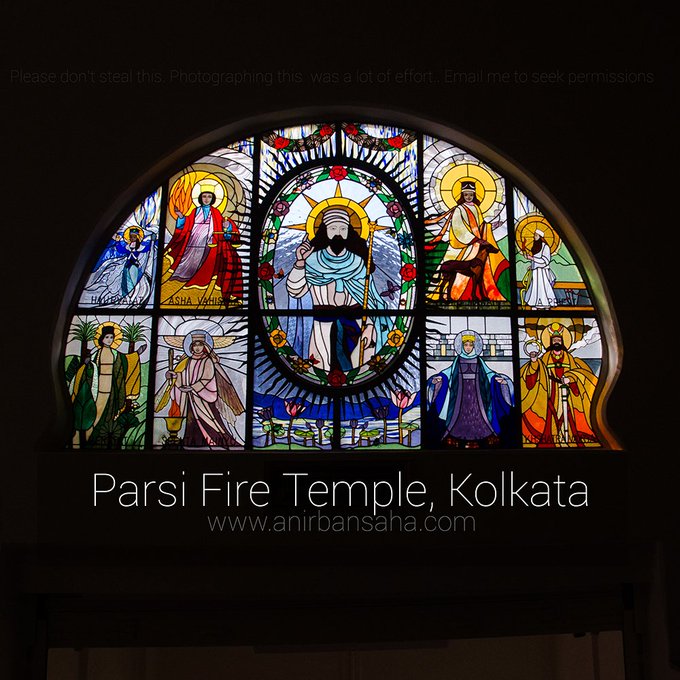
#WorldHeritageDay #Kolkata - The Parsi Fire Temple. Have you ever been to this place?


Let's Save the Historic Forts in Maharashtra which our King Chatrapati Shivaji Maharaj Built #WorldHeritageDay

The proposal to first celebrate the day as International Day for Monuments and Sites came in 1982. UNESCO approved it in 1983. The theme of World Heritage Day this year is 'Cultural Heritage and Sustainable Tourism' which is in relation to United Nations International Year of Sustainable Tourism for Development

No comments:
Post a Comment